How to Prepare Before Calling a Desentupidora Zona Sul São Paulo SP
Before you dial, have four things ready: the full service address with any access instructions, a clear description of what is backing up and where, the approximate time the problem started, and a phone number the technician can call on arrival. Those details let a desentupidora Zona Sul São Paulo SP team choose the right equipment before leaving the base. In the Zona Sul of São Paulo, where apartment buildings, older houses and commercial kitchens share the same underground network, that first call often decides whether the job takes one hour or half a day.
I handle these tickets daily, and the difference between a smooth visit and a frustrating one is almost never the clog itself. It is the information the caller gives in the first two minutes.
What to Have Ready Before the Technician Arrives
Treat the call like a handover to someone who was not there. The more precise your description, the faster the diagnosis and the less chance of a second visit.
The address, access and who opens the door
Give the street, number, block and any reference point that actually helps a driver. In the Zona Sul, many buildings sit behind gates, on steep streets or inside condominiums with a service entrance that is not the main lobby. Say which entrance to use and whether the doorman needs a name in advance.
If you live in a house, mention whether the inspection box or cleanout is inside the yard or on the sidewalk. If you rent, confirm that you are allowed to authorize the service. A technician who arrives and cannot reach the pipe loses time that you are paying for.
A clear description of the symptom
“It is clogged” tells us little. Useful details include which fixtures are affected, whether water rises in the shower when the toilet flushes, whether the backup happens only after heavy rain, and whether there is a smell or gurgling sound in other drains. These clues separate a local blockage from a problem in the main line.
- Which drains or fixtures are backing up, and in what order
- Whether the water drains slowly or not at all
- Whether the problem returns after each use
- Any recent renovation, new appliance or change in usage
A backup that appears in several fixtures at once usually points to the main line, not a single drain. That changes the equipment and the time estimate.
What not to do while you wait
Do not keep flushing, do not pour chemical drain cleaner into a line that is already full, and do not open a cleanout cap if you are not sure what is behind it. A full pipe under pressure can release waste water the moment the cap loosens. If water is rising, stop using the fixtures and move items away from the floor.
If the backup involves sewage reaching a common area, tell the building manager immediately. In shared buildings, the responsibility and the access permission often sit with the condominium, not the individual resident.
Payment, authorization and timing
Ask about the call-out fee, how the price is calculated and whether the technician can confirm the scope before starting. For emergency calls at night or on weekends, confirm the rate in advance. Have a payment method ready and, if you are a tenant, written authorization from the owner or manager when required.
Timing matters too. Tell the dispatcher whether the problem is urgent or whether it can wait for a scheduled window. A desentupidora Zona Sul team can prioritize a genuine emergency, but a non-urgent job handled in a planned slot is usually cheaper and less disruptive.
What Happens During the Visit and How to Avoid a Repeat
Once the technician is on site, the job follows a predictable path. Knowing it helps you ask the right questions and judge whether the work is being done properly.
Inspection and diagnosis
The first step is locating the blockage. The technician checks the affected fixtures, finds the cleanouts and may use a camera or a rod to identify where the line is blocked and what is causing it. Grease, roots, collapsed pipe sections, excess paper and foreign objects each call for a different approach.
Ask what was found. A short explanation of the cause is the best guide to preventing the same problem next month.
Choosing the method
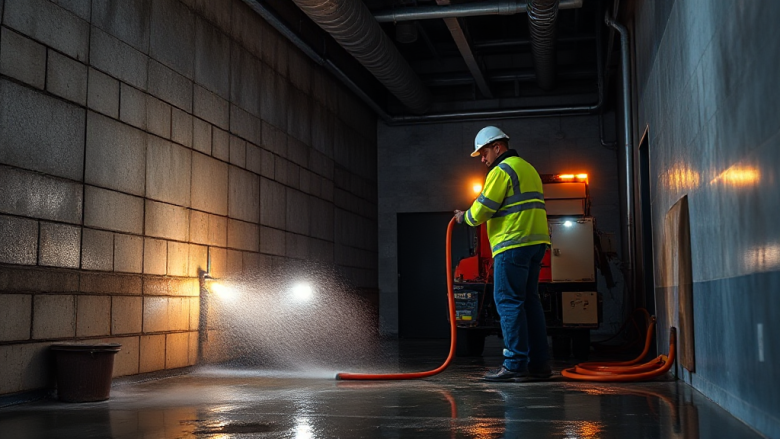
Simple clogs in a branch line are often cleared with a manual auger or a small electric machine. Heavier blockages, grease buildup and roots in the main line usually need hydrojetting, which uses high-pressure water to scour the pipe walls rather than just punching a hole through the clog. For septic tanks and grease traps, the work is pumping and cleaning rather than rodding.
| Method | Typical use | What it does |
|---|---|---|
| Manual or electric auger | Local clogs in sinks, toilets and branch lines | Breaks through the obstruction |
| Hydrojetting | Grease, roots and buildup in main lines | Cleans the pipe walls, not just the center |
| Pumping and cleaning | Septic tanks and grease traps | Removes accumulated waste and sludge |
Clearing a hole through a clog is not the same as cleaning the pipe. If the same drain backs up every few months, ask whether hydrojetting is the better option.
Testing and handover
After the blockage is cleared, the technician should run water through the affected fixtures and confirm that flow is normal. Ask for a brief account of what was removed and whether any part of the pipe looked damaged. If a section is cracked or root-damaged, clearing it will not fix the underlying problem, and a repair will be needed.
Keep the service record. For buildings and commercial kitchens, a written record of each visit makes it easier to spot a recurring issue and to justify preventive maintenance.
Preventing the next call
Most repeat blockages come from the same habits. Keep grease out of kitchen drains, avoid flushing wipes and paper towels, and use drain strainers in showers and sinks. In older properties in the Zona Sul, where pipes may be decades old, periodic inspection is worth more than reacting after a backup.
If you manage a building, schedule preventive cleaning of the main line and grease traps before the rainy season. A planned visit costs far less than an emergency at night, and it protects residents from sewage backups in common areas.
When you do need help, calling a desentupidora em Zona Sul São Paulo SP with the details above in hand turns a stressful situation into a straightforward service call. Prepare the address, the symptom, the access and the authorization, and the rest is a matter of the right equipment arriving at the right door.