Persuasion and Welfare in Betting Design: The tk999 Case
The same design skill that makes a betting app easy to use can make it hard to leave. That is the central tension in platforms like tk999, where interface decisions that reduce friction for new users also reduce the natural pauses that might otherwise help someone stop. This article examines that tension from a design-ethics perspective, without endorsing or condemning the product itself.
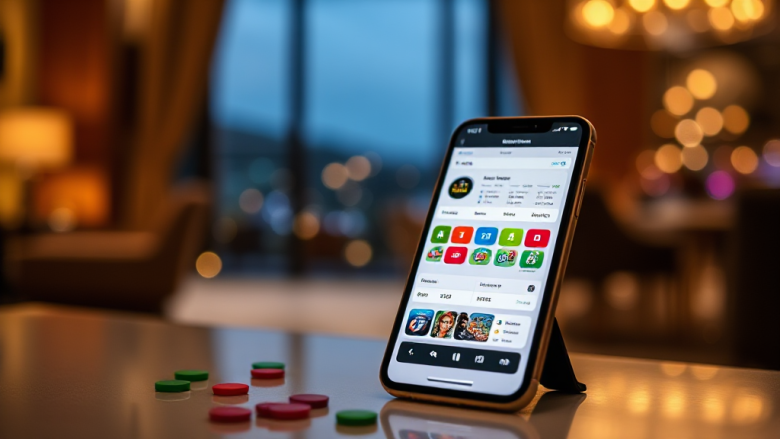
tk999 is an online betting platform aimed at Bangladeshi users, offering registration and a downloadable app. Its design choices are typical of the category: streamlined onboarding, persistent prompts, and a mobile-first layout. The question is not whether these choices work, but what they are working toward.
Persuasive patterns that blur use and overuse
Persuasive design is not inherently manipulative. A well-placed shortcut, a clear progress indicator, or a timely reminder can genuinely help users. The ethical line is crossed when the same pattern serves the platform’s retention goals at the expense of the user’s ability to disengage. On betting interfaces, that line is often thin.
Frictionless onboarding and the speed of commitment
Registration on tk999 is designed to be quick. Fewer steps mean less time to reconsider, and for a first-time user, speed can feel like convenience. But speed also compresses the decision window. When sign-up, deposit, and first bet sit within a few taps, the platform has effectively removed the natural checkpoints that slower processes provide. Designers call this reducing cognitive load; critics call it removing the exit ramp.
Notification cadence and the illusion of urgency
Push notifications are a standard retention tool. On betting apps, they often combine match schedules, bonus expiry warnings, and personalized prompts. The persuasive intent is clear: bring the user back. The welfare question is whether the cadence respects the user’s attention or exploits it. A notification that says a bonus is about to expire creates urgency that may not reflect the user’s actual interest. Over time, this pattern can normalize frequent re-engagement even when the user has not chosen it.
Visual hierarchy that foregrounds action
On many betting interfaces, the most visually prominent element is the next action: place a bet, claim an offer, top up. Account limits, spending summaries, and cool-down options are often present but visually quieter. This hierarchy is a design choice, not a neutral one. It tells the user what the platform considers important. When responsible-gaming tools exist but sit several taps deep, the design is technically compliant but functionally persuasive in one direction.
Welfare counterweights and how they are designed
Responsible-gaming features are the most direct counterweight to persuasive design. Their effectiveness depends less on whether they exist and more on how they are surfaced. A deposit limit buried in settings is a different product from a deposit limit offered at the moment of first deposit.
Limits, time-outs, and self-exclusion
Deposit limits, session time-outs, and self-exclusion are the standard welfare tools in regulated betting markets. On tk999, as on comparable platforms, these tools are available but require the user to seek them out. The ethical question is whether a platform should prompt users to set limits before they need them. Some operators now do this at registration; others wait until a user requests help. The difference is between prevention and remediation.
The role of transparency in odds and outcomes
Transparency is a welfare issue as much as a compliance one. Clear display of odds, potential returns, and the house edge helps users make informed decisions. When these details are present but visually de-emphasized, the design favors engagement over understanding. A calm, argumentative reading is that transparency should be as prominent as the call to action, not tucked into a secondary screen.
Where responsibility sits
Responsibility for ethical betting design is shared, but not equally. Designers, operators, regulators, and users all play a role, and the balance between them is where the real debate lies.
Designers and product teams
Designers decide what gets prominence, what gets friction, and what gets buried. These are ethical decisions even when they are framed as usability improvements. A product team that measures success only by retention and session length will naturally optimize toward persuasion. Teams that also measure user welfare outcomes, such as the proportion of users who set limits, create a different incentive structure.
Operators and business incentives
Operators face a structural tension: persuasive design drives revenue, while welfare features can reduce it in the short term. The ethical operator treats this as a cost of doing business, not an optional extra. For tk999 and similar platforms, the credibility of any welfare claim depends on whether the tools are easy to find and genuinely effective, not merely present in a settings menu.
Regulators and the limits of compliance
Regulation sets a floor, not a ceiling. A platform can be fully compliant and still be designed to maximize engagement. Regulators can require certain features, but they cannot easily mandate a design culture. That gap is where industry self-regulation and public scrutiny matter. Users, too, have a role, but placing the burden of restraint on individuals while designing for impulse is an uneven distribution of responsibility.
An open question for betting design
The tk999 case is not unique, which is precisely why it is useful. It shows how ordinary design decisions, made for ordinary reasons, can add up to an environment that is easy to enter and harder to leave. The platform offers registration and a mobile app in a competitive market; its design choices reflect that context.
The open question is whether persuasive design and user welfare can be genuinely balanced, or whether one will always quietly dominate the other. That question does not have a technical answer. It has a cultural one, and it depends on what designers, operators, and users decide to value when no one is measuring.